 Wall Muse
Photographs, made for a screen
A painting on a Frame is a reproduction. A photograph on a Frame is the thing itself. The panel is a grid of four thousand points of light, and a photograph was always a grid of points of light waiting for a screen good enough to show it. That is the argument for the four walls that opened in the vaults this week, and for the Photographs shelf that now sits at the front of the masters.
Two collections, both free for any wall
The first is the life's work of Carol M. Highsmith, who has spent four decades driving America with a camera and gave the whole archive to the public. Main streets and motels, lighthouses and diners, the Badlands and Prince William Sound, a gas station going back to the weeds in North Carolina. Colour, modern, and made at a size that fills a 4K panel edge to edge with room to spare. We hold a hand-checked catalogue of it: every picture in the app was looked at for sharpness, for its caption and for anyone who might not want to be on your wall.
The second is NASA's image library, which is not subject to copyright and is credited to NASA wherever it hangs, as their guidelines ask. Earth from the space station, the aurora pooling under the stars, city lights along a coastline at night, and the deep sky from the great telescopes: nebulae the size of solar systems, galaxies by the thousand. We keep only the pictures that come down as true photographs at print size, and leave out artists' impressions, portraits and ceremonies.
The four walls
- From the road: thirty-two pictures of America the way you find it from a car window. Country stores, neon, a lighthouse at the end of a jetty.
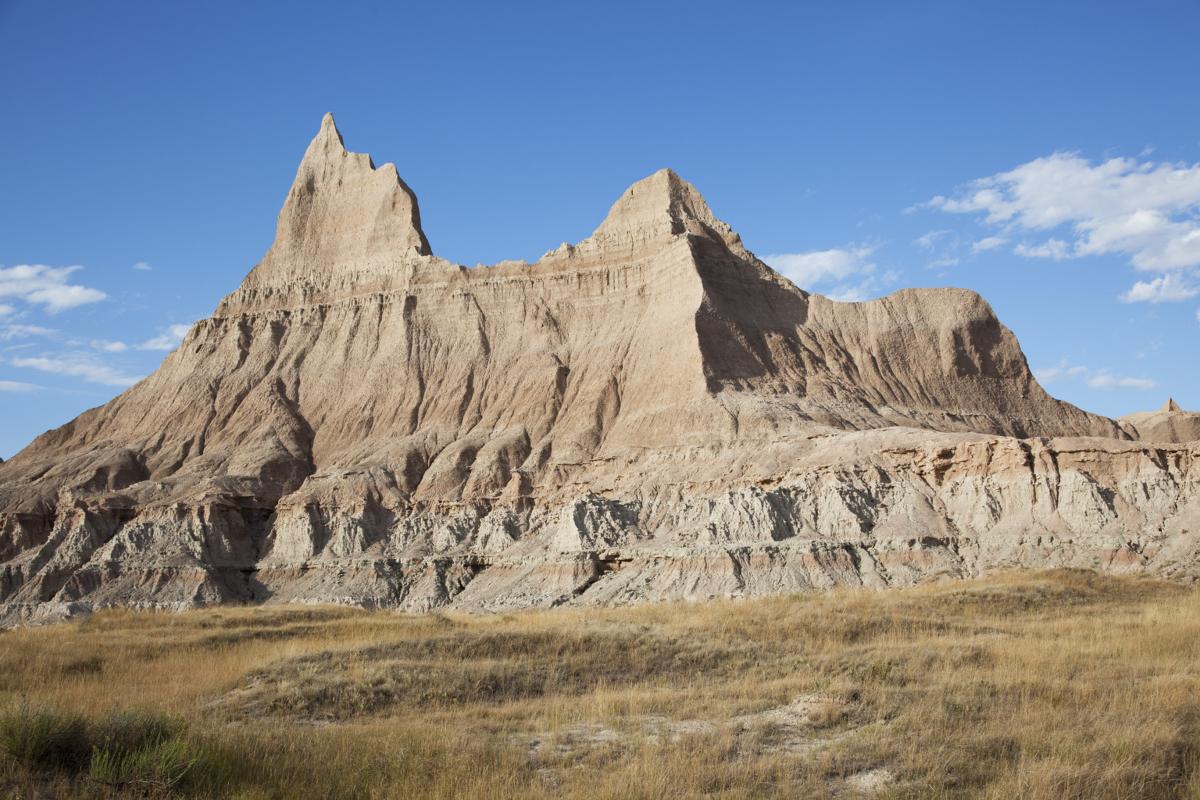
- Big sky: open country with the weather still in it. Badlands, salt marsh, a river that is also a border, cypress bent by a lifetime of wind.
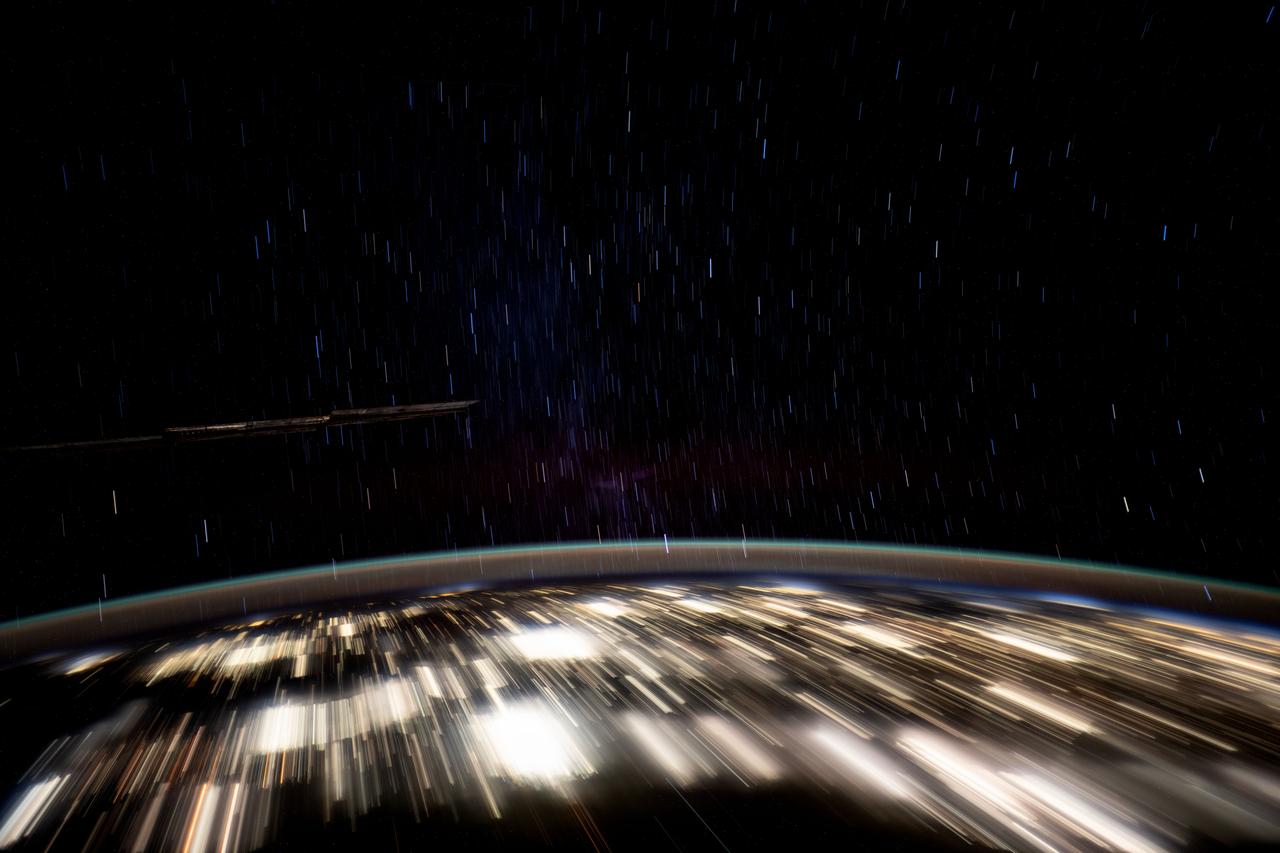
- From orbit: home from two hundred and fifty miles up. Photographs taken out of the window on the way round.
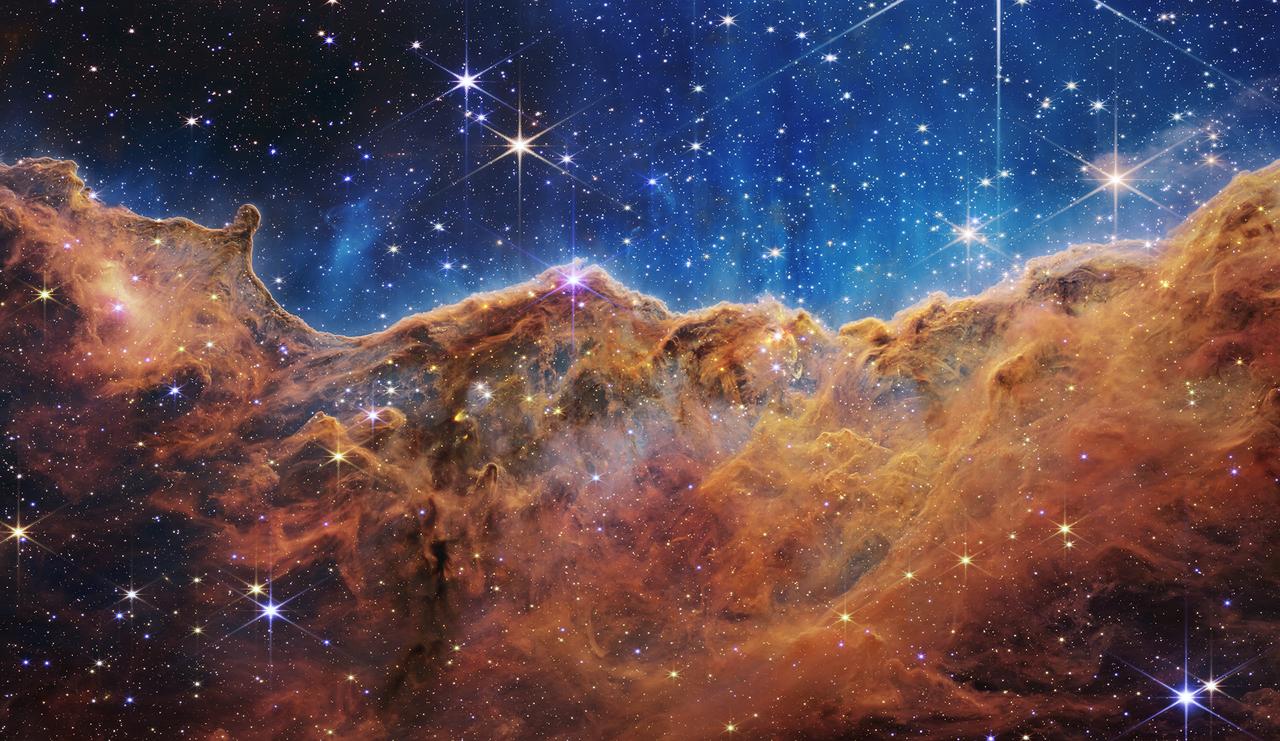
- The deep field: nebulae and galaxies from the great telescopes. Best on a dark wall in a dark room.
Why a screen suits a photograph
Paper has to reflect the room. A print of a nightscape is only ever as dark as the paper under it, which is why photographs of the night sky so often disappoint on a wall. A Frame makes its own light, so the black in a picture from orbit is the panel doing nothing at all, and the city lights are the panel doing everything. The same goes for the sun on a red canyon wall or the glare off a chrome bumper. A photograph asks a wall for exactly what a screen has and paper never had.
The one thing to watch is detail. A panel this size wants a picture with real information in it, which is why we set a floor for every photograph in the vaults: nothing comes in unless its long edge is well past what the Frame needs, and the ones from orbit arrive at eight thousand pixels across. Zoom in on your own wall and the grain is grain, not blur.
How to find them
In the app, the masters open with the Photographs shelf and the four walls. The Photographs chip in the browse leads with the modern work, so a search for "coast" or "desert" or "night" turns up pictures alongside paintings. Every one hangs the same way a painting does: find the frame, choose a mat or none, tap once. And every one is yours to keep.
This week, try one wall for the daytime and one for after dark. Big sky while the sun is up; the deep field once the room goes quiet. The Frame's light sensor does the rest.